
Urinary Health Mastery
Your Complete Guide to Understanding, Supporting, and Maintaining Optimal Urinary Function
Key Urinary Health Statistics
2 Litres
Average daily urine production in healthy adults
24/7 Work
Your kidneys continuously filter blood for waste removal
8 Times
Typical daily bathroom visits for maintaining health
Complex System
Kidneys, bladder, and ureters work in perfect harmony
Understanding Your Urinary System
The urinary system is one of your body's most vital filtration networks. It works continuously to remove waste products and excess water from your bloodstream, maintaining proper fluid balance and electrolyte levels essential for life.
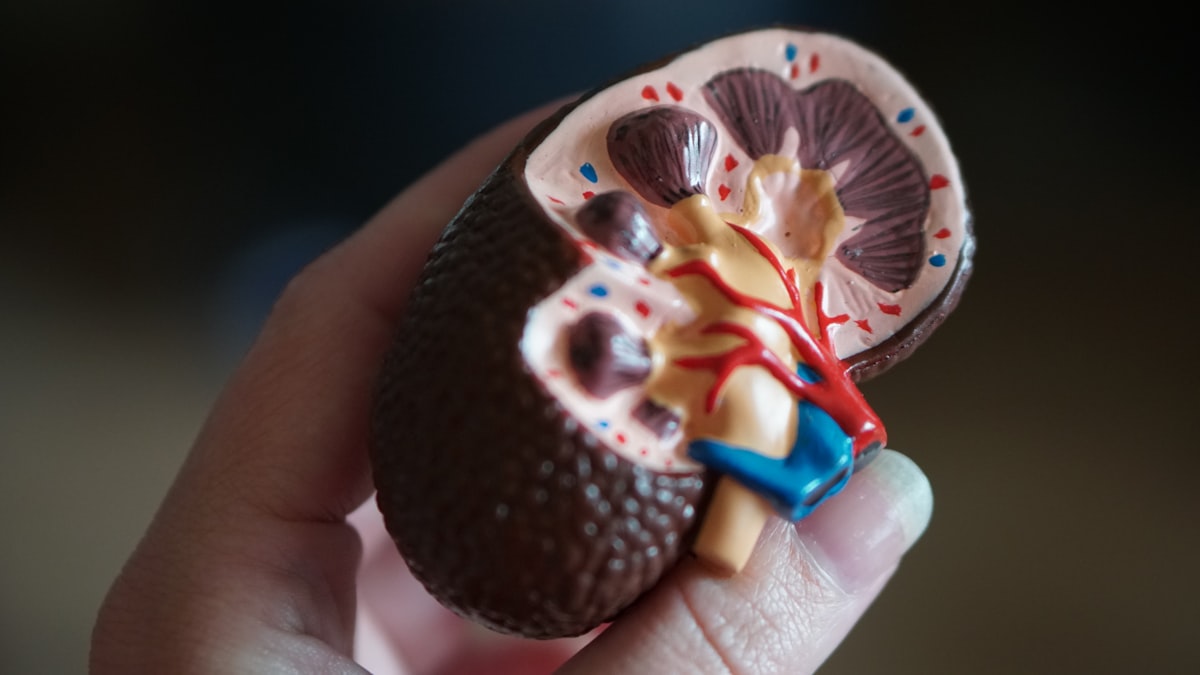
This remarkable system comprises two kidneys (bean-shaped organs that filter blood), the bladder (a storage chamber), and connecting tubes called ureters and the urethra. Understanding how these components interact helps you make informed decisions about your daily health practices.
- Daily Filtration: Your kidneys process approximately 120-150 quarts of blood daily to produce roughly 1-2 quarts of urine
- Waste Management: The system eliminates metabolic waste including urea, creatinine, and excess ions
- Hormone Production: Kidneys produce hormones that regulate blood pressure and red blood cell production
- Electrolyte Balance: The system maintains critical minerals and pH levels throughout your body
Five Steps to Optimal Urinary Wellness
Hydration Habits
Maintain consistent water intake throughout the day. Proper hydration dilutes urine, reducing concentration of harmful substances and supporting natural kidney function. Most adults benefit from 6-8 glasses daily, though individual needs vary based on activity level and climate.
Nutritional Support
Focus on foods rich in antioxidants, vitamins, and minerals. Cranberries, citrus fruits, leafy greens, and omega-3 rich fish support urinary wellness. Limit sodium intake and reduce consumption of foods that may irritate the bladder for sustained comfort.
Lifestyle Balance
Regular physical activity, adequate sleep, and stress management contribute directly to urinary wellness. Exercise improves circulation and kidney function, while quality sleep supports immune response and cellular repair processes essential for system health.
Bathroom Habits
Empty your bladder completely and regularly. Avoid holding urine for extended periods, which can concentrate waste and create unfavourable conditions. Maintain proper hygiene practices to support natural system health and reduce unwanted factors.
Regular Monitoring
Pay attention to changes in urinary frequency, colour, or comfort. Keep a simple log if you notice patterns. Awareness allows you to identify trends early and adjust lifestyle factors accordingly, supporting long-term wellness and overall vitality.
Expert Guidance
Consult reliable health sources and maintain regular check-ups to understand your personal health profile. Educational resources help you make informed decisions aligned with your individual needs and circumstances.
Core Features of Urinary Wellness
Natural Filtration Process
Your kidneys contain approximately one million functional units called nephrons. Each nephron independently filters blood, reabsorbs necessary substances, and concentrates waste. Understanding this elegant biological process helps you appreciate the importance of consistent support through lifestyle choices.
Plant-Based Nutrients
Natural plant compounds possess beneficial properties for urinary wellness. Cranberry proanthocyanidins, pomegranate polyphenols, and green tea catechins work synergistically with your body's natural processes. Incorporating diverse plant foods creates a comprehensive nutritional foundation.
Electrolyte Balance
Potassium, sodium, and magnesium maintain fluid balance and nerve function. The urinary system precisely regulates these critical minerals. Foods like bananas, leafy greens, and nuts provide natural electrolyte sources that support optimal mineral equilibrium without excessive processing.
Antioxidant Protection
Oxidative stress affects urinary function at the cellular level. Antioxidant-rich foods including berries, green vegetables, and herbs combat free radical damage. Regular consumption of these nutrient-dense foods strengthens your system's natural defence mechanisms and supports long-term vitality.
Cardiovascular Connection
Kidney health directly influences blood pressure and heart function. Regular exercise improves cardiovascular efficiency, which enhances kidney perfusion and filtering capability. Managing stress and maintaining healthy weight support both systems simultaneously, creating integrated wellness.
Evidence-Based Education
This guide compiles peer-reviewed research and clinical observations into practical, actionable information. Each recommendation reflects scientific understanding of how lifestyle factors influence urinary wellness. Knowledge empowers you to make informed choices supporting your long-term health goals.
Common Questions About Urinary Health
The commonly cited recommendation of 8 glasses (about 2 litres) serves as a general baseline, but individual needs vary significantly. Consider your body weight, activity level, climate, and overall health. A practical approach involves observing your urine colour—pale yellow indicates adequate hydration, while darker shades suggest you need more fluids. Generally, drink enough so you feel satisfied and urinate regularly without discomfort.
Several foods contain beneficial compounds. Cranberries and blueberries provide proanthocyanidins that support bladder health. Garlic and onions contain compounds with supportive properties. Leafy greens like spinach and kale offer magnesium and folate. Fatty fish provides anti-inflammatory omega-3 fatty acids. Citrus fruits and tomatoes contain citrate, which influences urine chemistry. Incorporate these throughout the week as part of a balanced, varied diet rather than relying on single foods.
Regular physical activity enhances kidney blood flow and filtration efficiency. Exercise improves cardiovascular health, which directly supports kidney function. It also helps maintain healthy weight and reduces inflammation throughout your body. Aim for at least 150 minutes of moderate-intensity activity weekly. Activities like walking, swimming, cycling, and yoga all provide benefits. Consistent movement—even short walks—helps more than intensive occasional exercise.
Several adjustments make meaningful differences. Empty your bladder completely and regularly rather than waiting until extreme urgency. Avoid prolonged sitting—movement aids natural function. Manage stress through meditation, deep breathing, or relaxation techniques, as stress influences bladder reactivity. Limit caffeinated beverages, which act as mild diuretics. Maintain good personal hygiene. Wear comfortable, breathable clothing. Adequate sleep supports immune function and tissue repair. These simple changes compound into significant improvements over weeks.
Begin by tracking patterns in your urinary frequency, volume, and characteristics. Note the colour—pale yellow typically indicates good hydration, while concentrated urine appears darker. Observe if you experience any discomfort or unusual sensations. Keep a simple daily log if you notice changes, recording what you ate, how much you drank, and activity levels. Monitor how different foods or beverages affect you. This personal data provides valuable insights and helps identify patterns you can discuss with health professionals if needed.
Quality sleep supports cellular repair and immune function essential for urinary wellness. During sleep, your body consolidates circadian rhythms that influence fluid regulation and kidney function. Sleep deprivation increases stress hormone levels, which can affect bladder reactivity. Adequate sleep—typically 7-9 hours for adults—enhances overall system resilience. Maintain consistent sleep schedules, create a dark and cool sleeping environment, and limit screen time before bed. Better sleep naturally translates to improved daytime urinary comfort and function.
Featured Educational Content
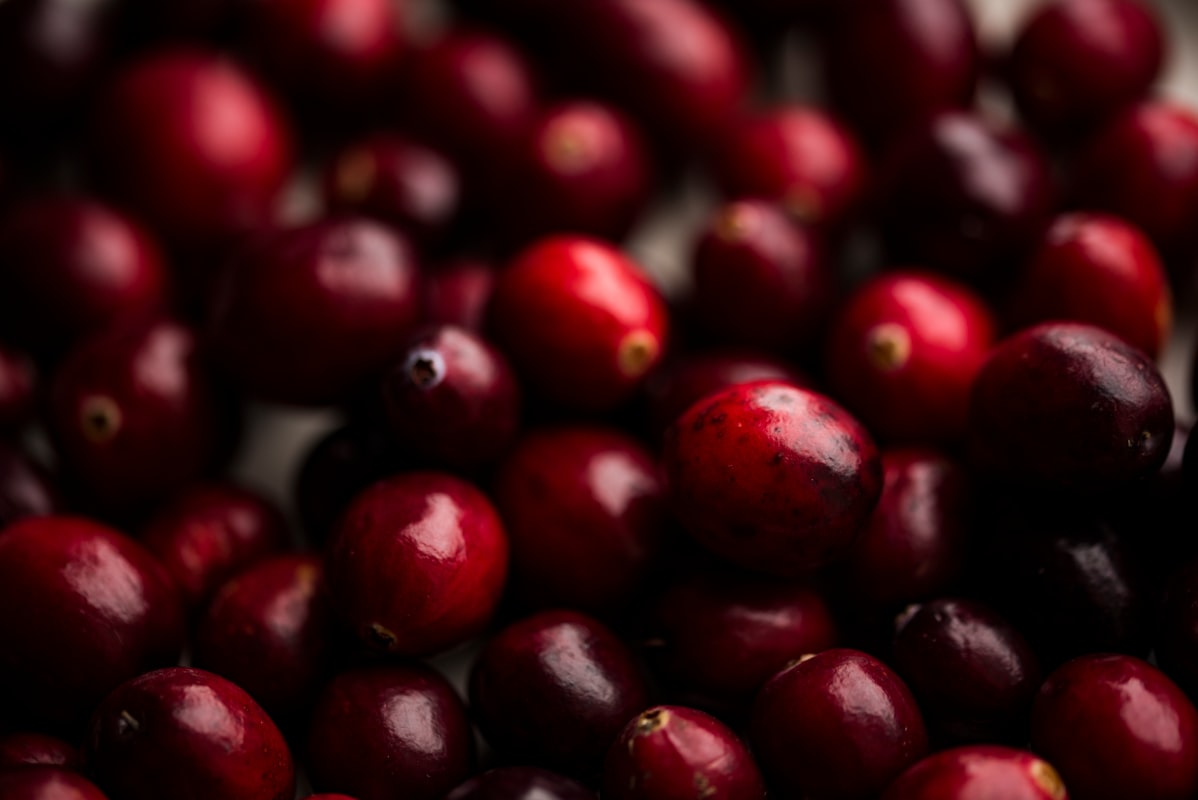
Hydration Science
Explore the scientific foundation of water intake, how hydration affects kidney filtration, and practical strategies for maintaining optimal fluid balance throughout your day.
Read article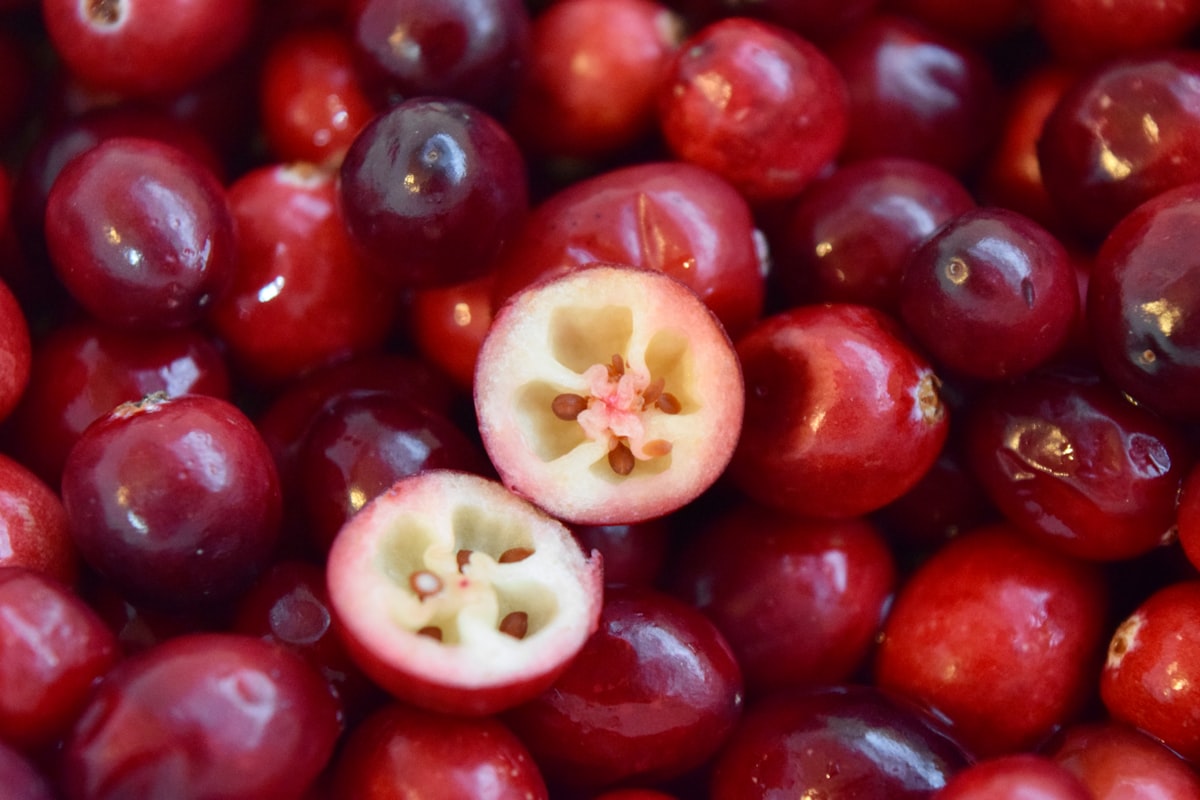
Nutritional Foundations
Discover which foods naturally support urinary wellness, how specific nutrients influence kidney function, and how to build meals that nourish your entire system.
Read article
Lifestyle Integration
Learn how exercise, sleep quality, stress management, and daily habits create a comprehensive foundation for long-term urinary wellness and overall vitality.
Read articleLifestyle Factors Impact Comparison
| Lifestyle Factor | Impact on Urinary Health | Implementation Level |
|---|---|---|
| Consistent Hydration | Dilutes urine, reduces waste concentration, supports kidney filtration efficiency | Easy |
| Balanced Nutrition | Provides essential minerals and antioxidants for cellular function and immune support | Easy |
What Patients Say
"Following the kidney care recommendations has significantly improved my health. My lab results are the best they've been in years!"
James Mitchell
Verified Patient
"The comprehensive guide helped me understand my condition better. I feel more empowered in managing my kidney health daily."
Sarah Johnson
Verified Patient
"Clear, actionable steps without overwhelming medical jargon. This resource has been invaluable for my entire family."
Michael Rodriguez
Verified Patient
Frequently Asked Questions
How often should I check my kidney function?
Regular monitoring is essential. Most healthcare providers recommend testing every 3-6 months if you have kidney disease, or annually as a preventive measure if you're at risk.
Can kidney damage be reversed?
While advanced kidney damage may not be fully reversible, early detection and proper management can slow progression significantly and improve quality of life.
What should I avoid with kidney disease?
Avoid excessive salt, processed foods, high-potassium foods (bananas, nuts), and limit protein intake as directed. Always consult your nephrologist for personalized dietary recommendations.
Are there any side effects to kidney care supplements?
Always consult your healthcare provider before starting supplements. Some may interact with medications or be contraindicated in certain kidney conditions.
Take Control of Your Kidney Health Today
Join thousands of patients who have improved their quality of life with evidence-based recommendations from Medicalrecommendguide.